{{ p.name }}
- Range
- {{ p.genderLabel }}
- Fabric
- {{ p.fabric }}
- Type
- {{ p.type }}
- Season
- {{ p.season }}
- Detail
- {{ p.value }}
About Fabro Textiles
We have an experienced team that builds the product a customer actually asked for and delivers it on the date agreed. That comes from garment-making knowledge since 1995, a Tirupur facility we run ourselves, and a habit of talking to buyers directly rather than through layers. The children’s knitwear catalogue shows the kind of work that comes off those lines, and the fabric behind each style.
History
1995
The knitwear experience behind Fabro starts on the floor in Tirupur — knitting, dyeing, cutting and stitching learned as a trade rather than a business plan.
2009
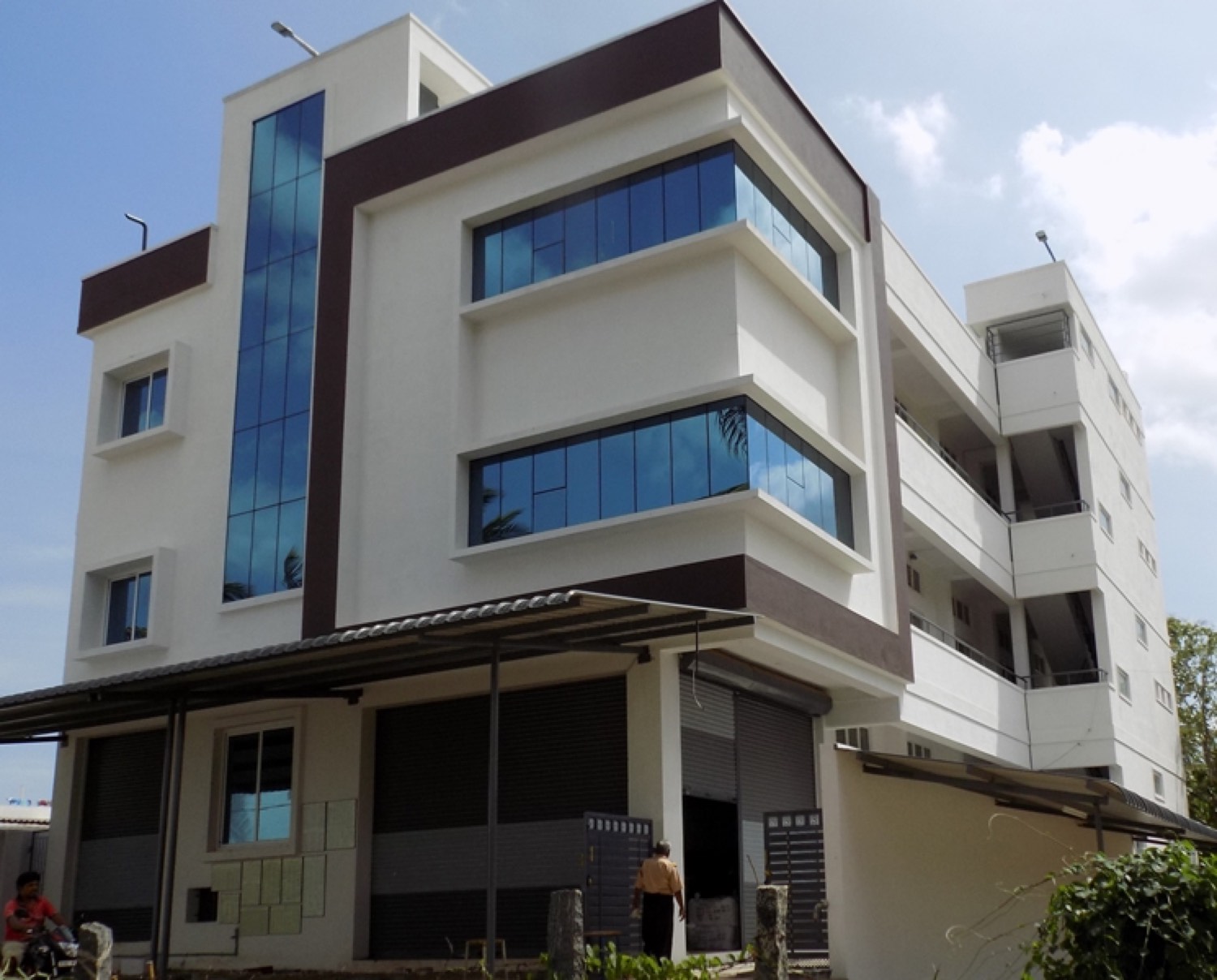
The company is formally established as a manufacturer and exporter of ready-made garments, with its own manufacturing units in Tirupur.
Today
Fabro knitwear reaches Europe, the USA and Canada, with children's apparel as the clearest specialisation alongside menswear and womenswear.
Infrastructure
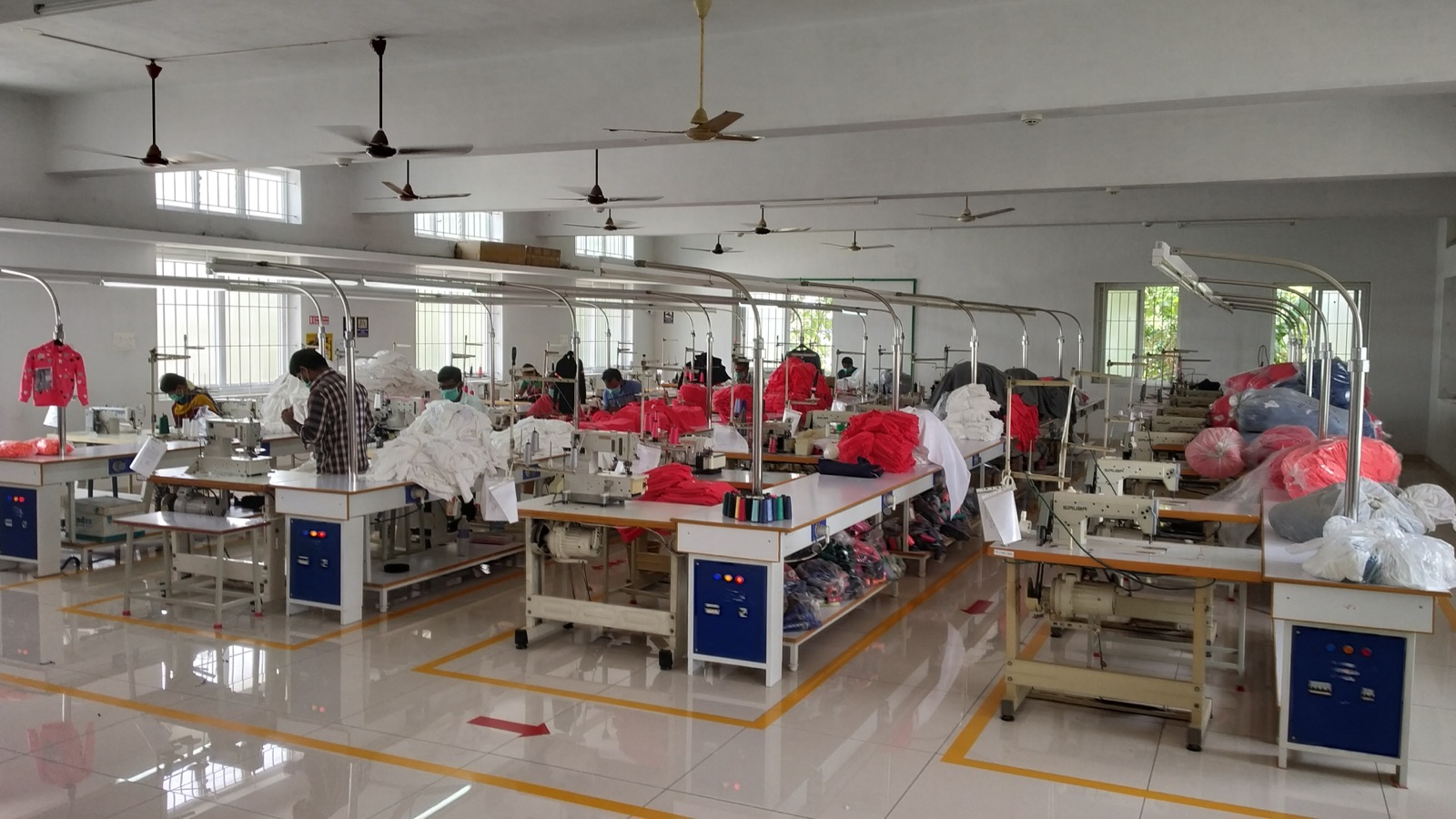
The company profile records the following infrastructure. Capacity is being modernised and expanded, so these figures are reviewed as the units change.
150+
Sewing machines
20,000
Square feet of manufacturing space
250+
Personnel employed
5,000
Finished garments per day
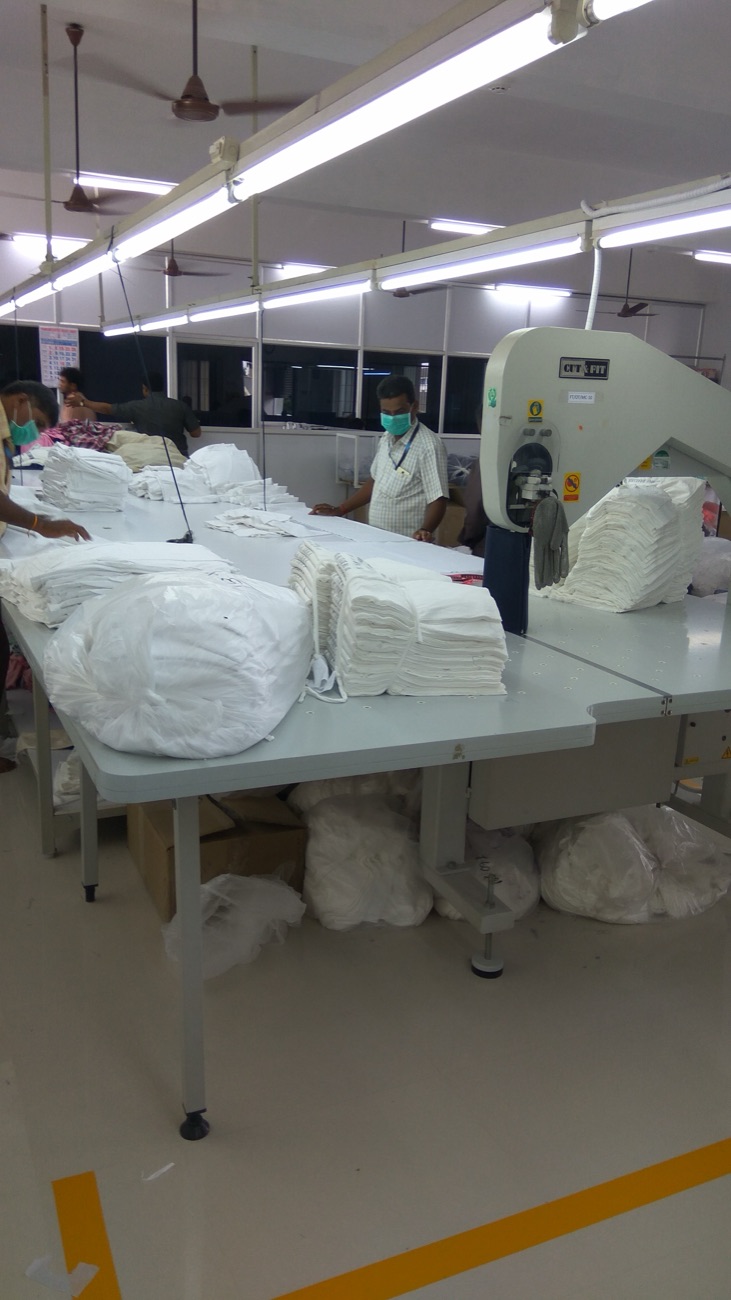
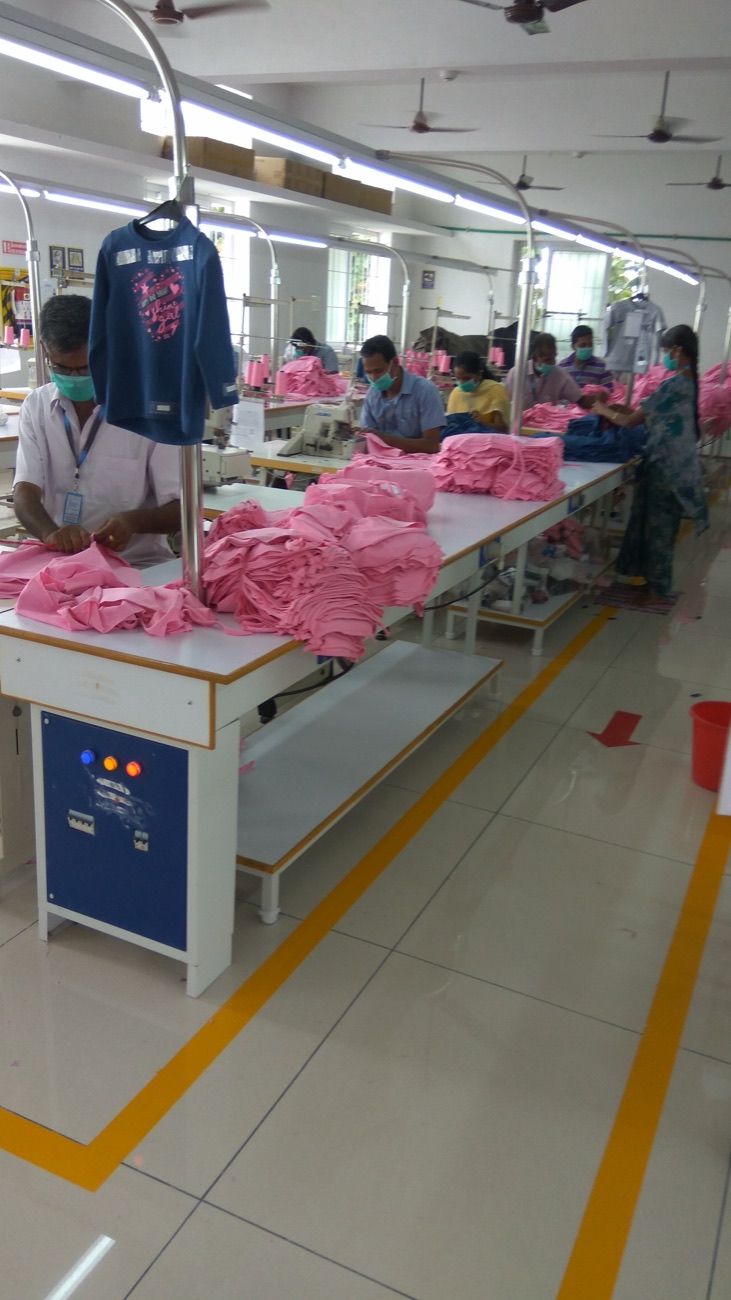
Sewing department
Manufacturing
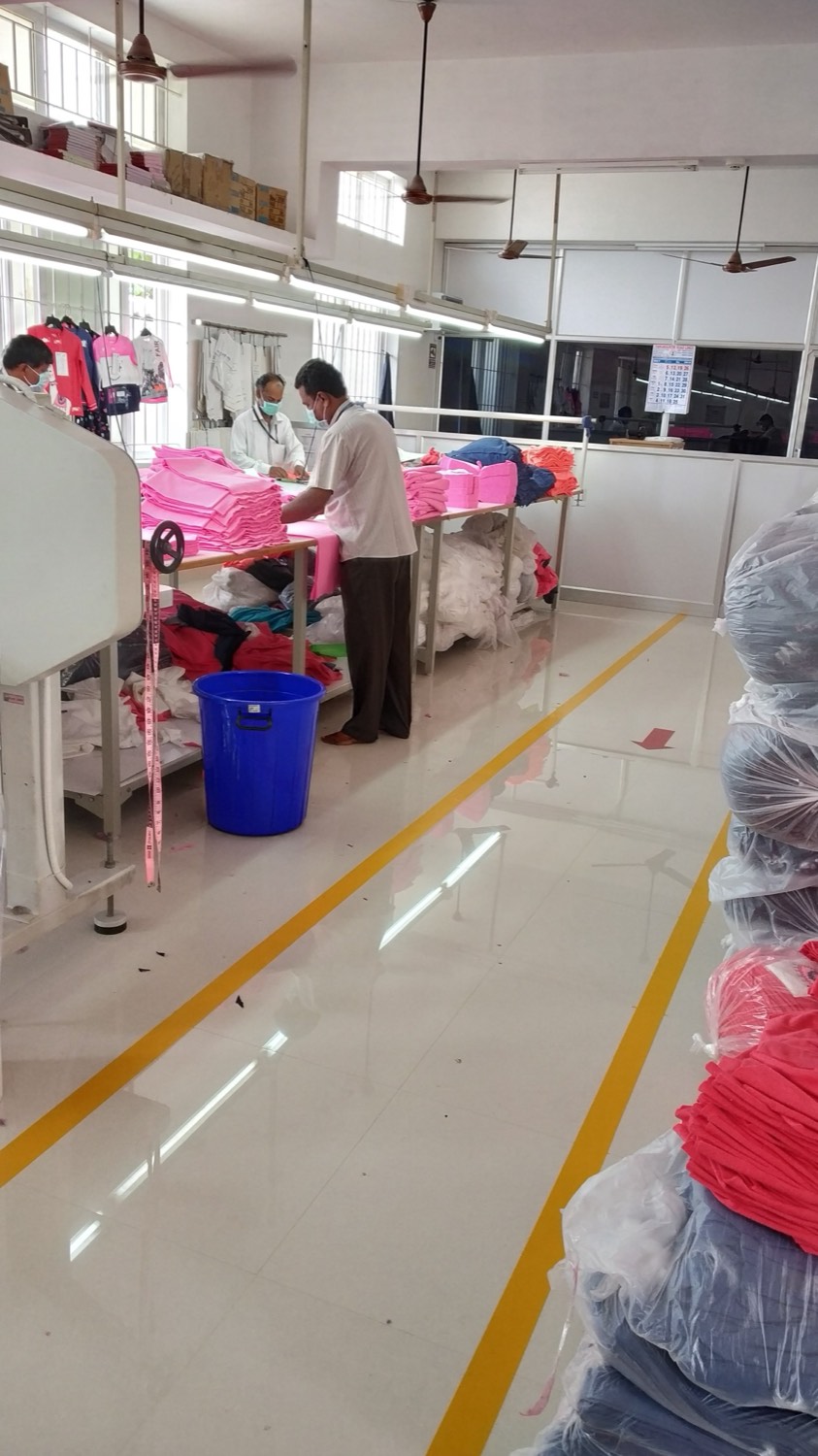
Knitting, dyeing, printing and embroidery are all part of what we do. That matters for value-added childrenswear, where a print register or an embroidery placement is the difference between an approved sample and a repeat.
Production flow
Manufacturing capability is not the same as certification scope. The processes covered by each certificate are listed in full on the Certifications page.
People & quality
Fabro employs a skilled, experienced workforce who are well looked after and work in a safe premises. The emphasis is on specialisation — people are deployed where their skill is highest, from procuring quality yarn through to shipping the finished product.
Quality is followed at every stage from sampling to the packing division, because a garment that fails at final inspection has already cost the buyer their delivery window.
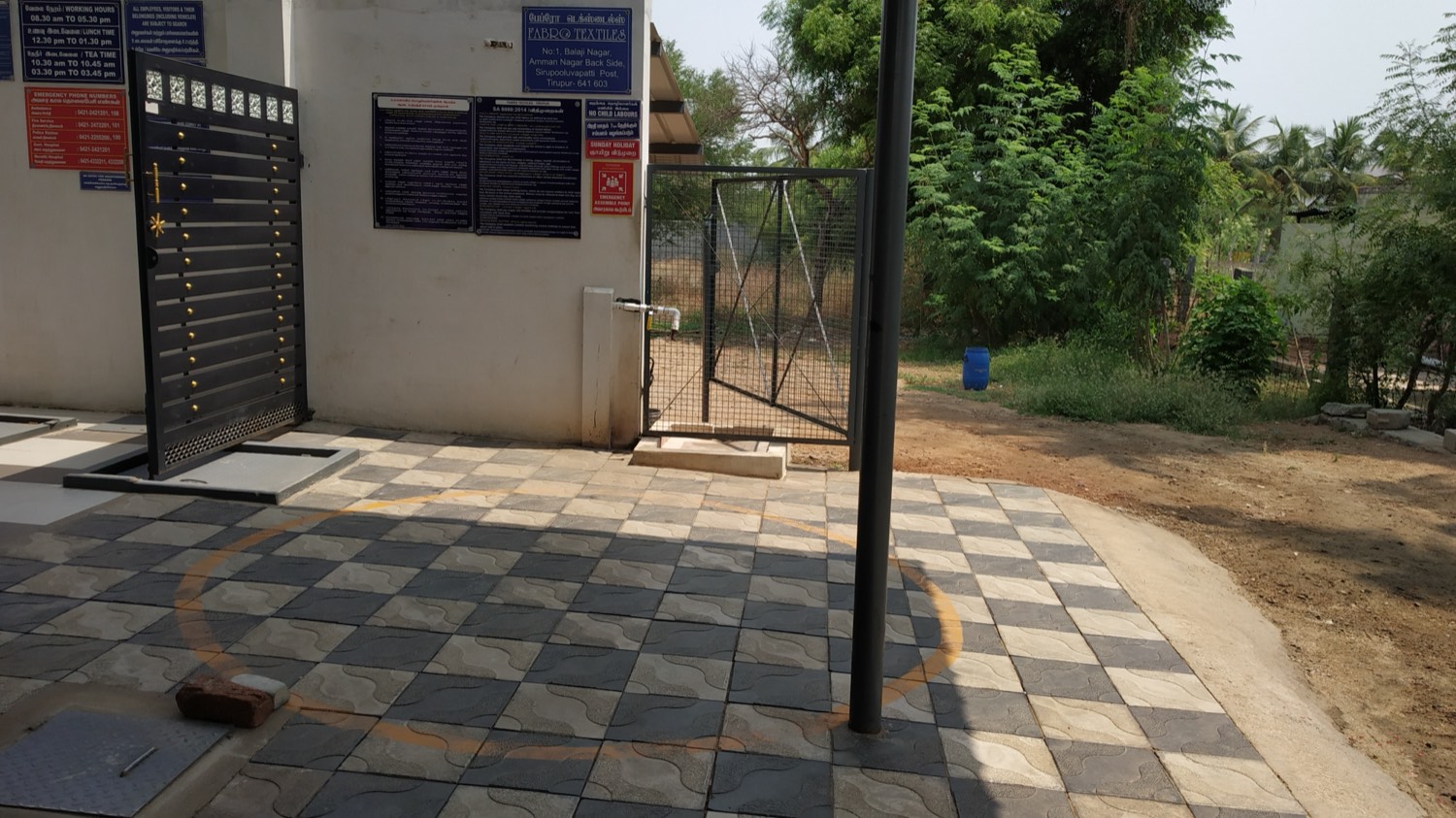
Social accountability at the facility is independently audited under SA 8000:2014 — certificate 66650, issued by ABS Quality Evaluations.
Buyer fit
We manufacture to buyer-supplied designs, artwork and specifications. Send a tech pack and measurement sheet and we will develop against it.
Print, embroidery, sequin and appliqué work sit inside our own walls, which is where our margin of usefulness to a brand actually is.
Spring, summer, autumn and winter ranges for children aged 2–16, planned season by season rather than as one-off orders.
Around 500–700 pieces per style is our preferred guideline, open to discussion depending on the construction, colours and value addition.
Tirupur, India | Custom knitwear manufacturing & export
Fabro Textiles is a Tirupur knitwear manufacturer and exporter working to buyer designs and specifications. Around 60% of what we make is children's apparel for boys and girls aged 2–16, across spring, summer, autumn and winter collections. Menswear and womenswear make up the balance.
Knitting, dyeing, printing and embroidery are all part of the work we do, so a value-added garment is developed and corrected in one conversation rather than across three.
Infrastructure figures as stated in the Fabro Textiles company profile.
Product portfolio
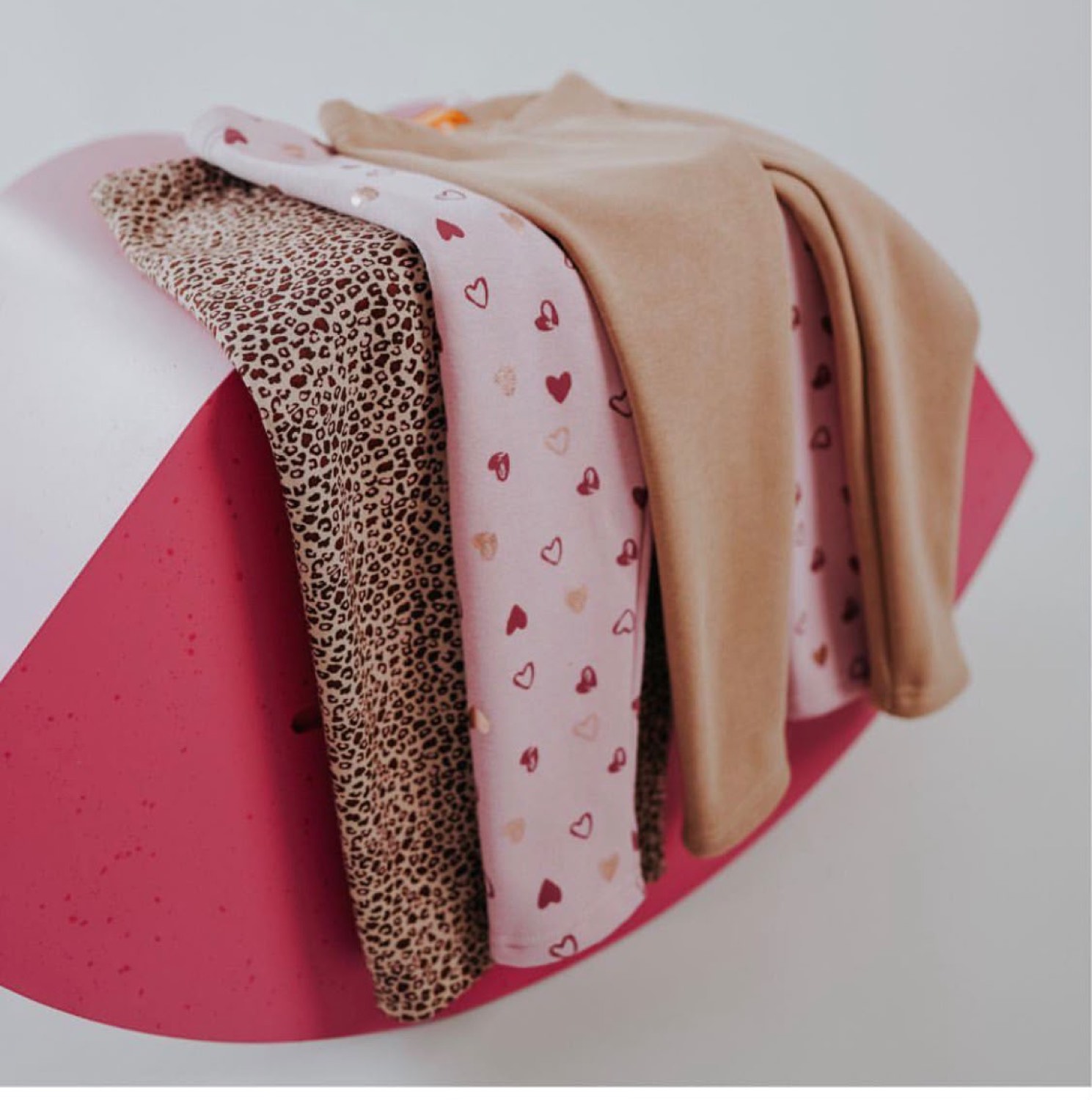
Boys and girls, ages 2–16, developed season by season from buyer artwork and tech packs. Sweatshirts, jersey dresses, printed tees, knitted trousers and sets — garments carrying print, embroidery, sequin and appliqué work rather than plain commodity pieces.
Capabilities
Knitting, dyeing, printing and embroidery are all part of what we do, alongside cutting through to dispatch, which keeps development, correction and delivery in one conversation.
Certification scope is separate from manufacturing capability. See Certifications.
Checked at
Fabric · Cutting · Inline · Trimming · Finishing · Packing
Quality
Quality is followed through all stages from sampling to the packing division. Fabric is checked before cutting, garments are checked inline and after trimming, and finishing and packing are inspected before dispatch.
Labels Fabro has manufactured for. Current relationship status is confirmed on request.


Responsible production
A certificate covers a named facility and a defined list of processes. We publish both in full, including what each certificate excludes.
View certifications{{ c.meta }}
{{ c.summary }}
Tiruppur's dyeing and processing ecosystem is widely recognised for its adoption of Zero Liquid Discharge systems. That is a characteristic of the region's processing infrastructure and is not a Fabro-specific certification.
For international buyers
Fabro's knitwear reaches Europe, the USA and Canada. We are actively seeking new relationships with children's fashion brands and private-label businesses in the Netherlands, Germany, Italy and Spain. Our children’s knitwear catalogue shows the kind of work we do.
If you develop your own designs and need a maker who can hold the print, embroidery and finishing quality across a season, that is the work we are set up for.
Order guideline
Approximately 500–700 pieces per style
This is a preferred guideline, not a fixed minimum. Feasibility depends on the design, fabric, construction, colour count, print and embroidery work, sampling, and your delivery schedule. Tell us the requirement and we will tell you honestly whether it works.
Email us about a collectionShare the category, your designs or tech pack, quantity per style and colour, the value addition you need, and your delivery target. We will review feasibility and come back with the next step.
Email your requirementAbout Fabro Textiles
We have an experienced team that builds the product a customer actually asked for and delivers it on the date agreed. That comes from garment-making knowledge since 1995, a Tirupur facility we run ourselves, and a habit of talking to buyers directly rather than through layers. The children’s knitwear catalogue shows the kind of work that comes off those lines, and the fabric behind each style.
History
1995
The knitwear experience behind Fabro starts on the floor in Tirupur — knitting, dyeing, cutting and stitching learned as a trade rather than a business plan.
2009
The company is formally established as a manufacturer and exporter of ready-made garments, with its own manufacturing units in Tirupur.
Today
Fabro knitwear reaches Europe, the USA and Canada, with children's apparel as the clearest specialisation alongside menswear and womenswear.
Infrastructure
The company profile records the following infrastructure. Capacity is being modernised and expanded, so these figures are reviewed as the units change.
150+
Sewing machines
20,000
Square feet of manufacturing space
250+
Personnel employed
5,000
Finished garments per day
Sewing department
Manufacturing
Knitting, dyeing, printing and embroidery are all part of what we do. That matters for value-added childrenswear, where a print register or an embroidery placement is the difference between an approved sample and a repeat.
Production flow
Manufacturing capability is not the same as certification scope. The processes covered by each certificate are listed in full on the Certifications page.
People & quality
Fabro employs a skilled, experienced workforce who are well looked after and work in a safe premises. The emphasis is on specialisation — people are deployed where their skill is highest, from procuring quality yarn through to shipping the finished product.
Quality is followed at every stage from sampling to the packing division, because a garment that fails at final inspection has already cost the buyer their delivery window.
Social accountability at the facility is independently audited under SA 8000:2014 — certificate 66650, issued by ABS Quality Evaluations.
Buyer fit
We manufacture to buyer-supplied designs, artwork and specifications. Send a tech pack and measurement sheet and we will develop against it.
Print, embroidery, sequin and appliqué work sit inside our own walls, which is where our margin of usefulness to a brand actually is.
Spring, summer, autumn and winter ranges for children aged 2–16, planned season by season rather than as one-off orders.
Around 500–700 pieces per style is our preferred guideline, open to discussion depending on the construction, colours and value addition.
Products & collections
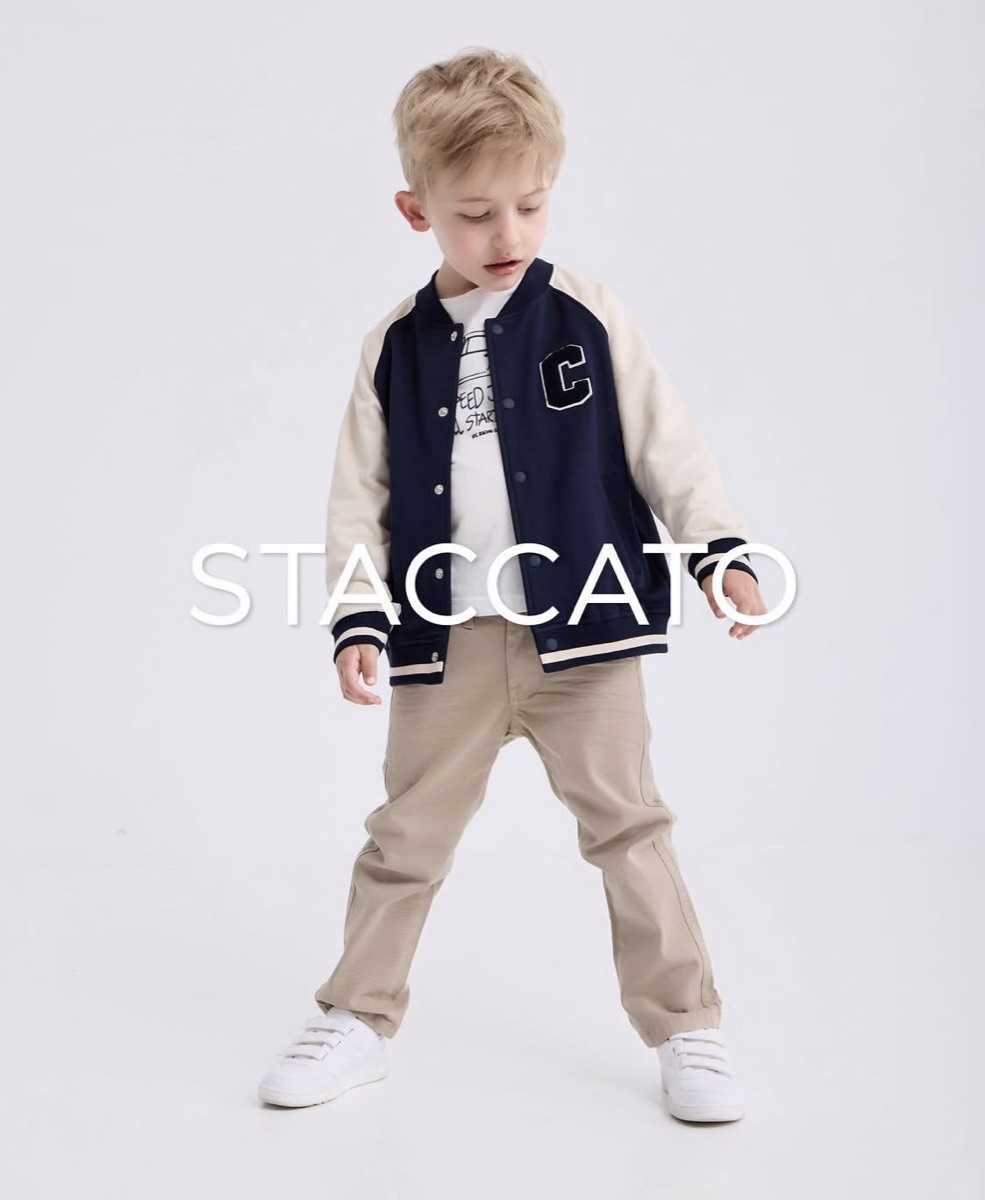
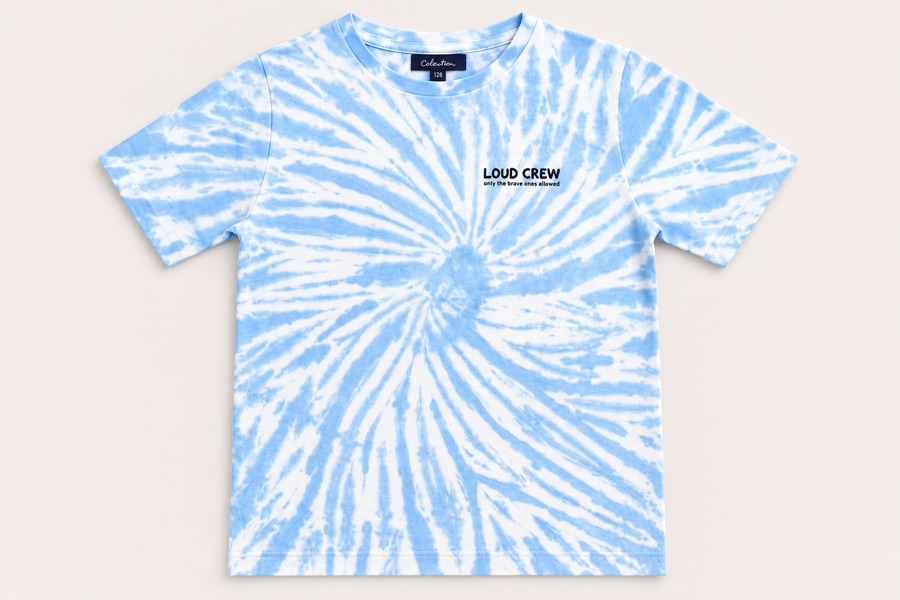
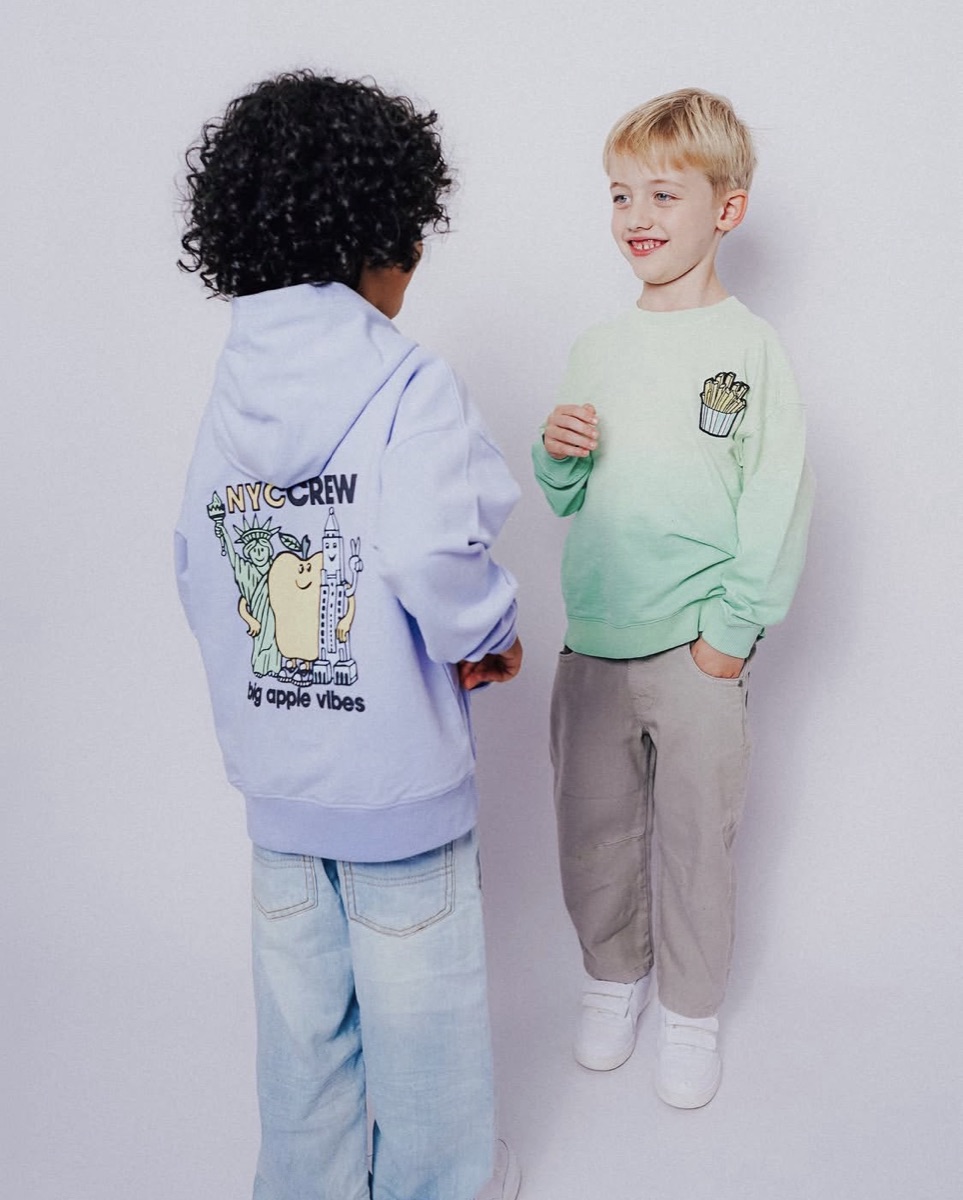
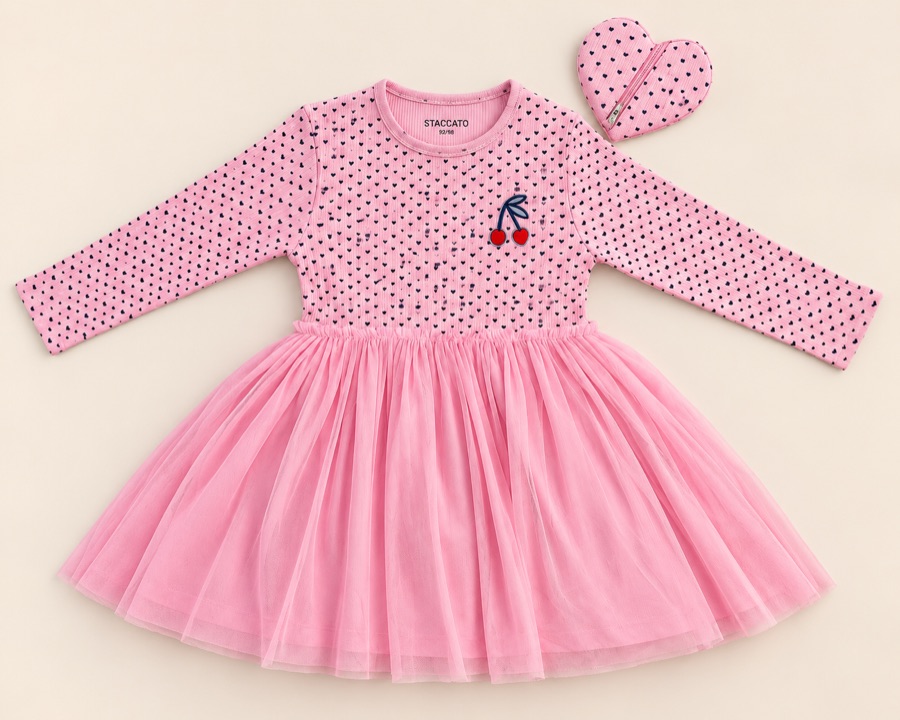
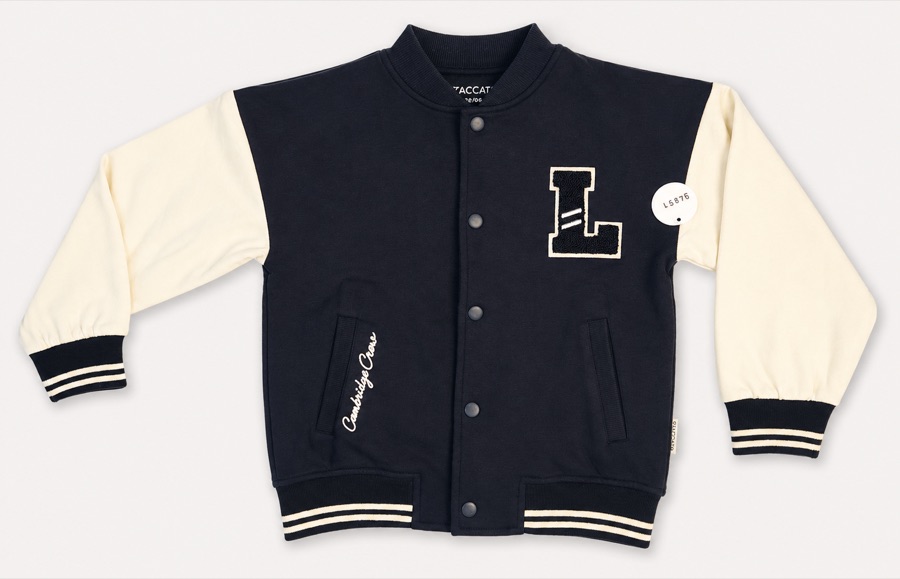
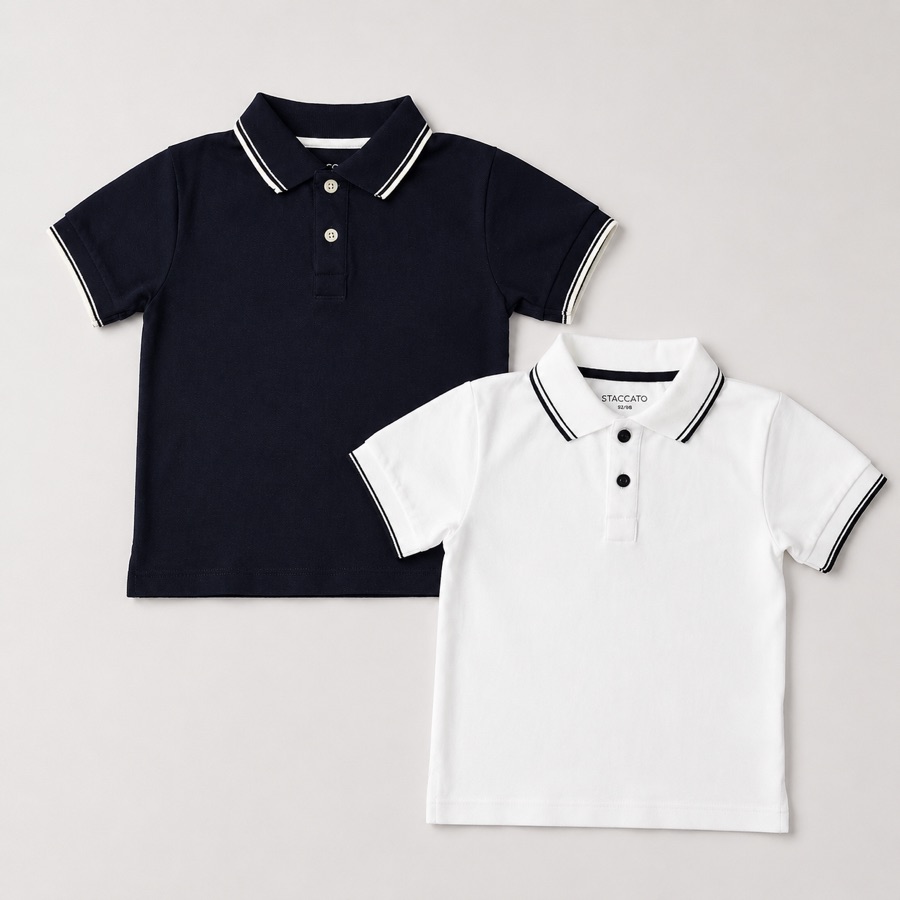
The styles below are drawn from garments Fabro has manufactured. They are shown as capability references rather than a stock list — every programme is developed against the buyer's own designs, artwork and measurement sheet, through our production flow.
Placement work
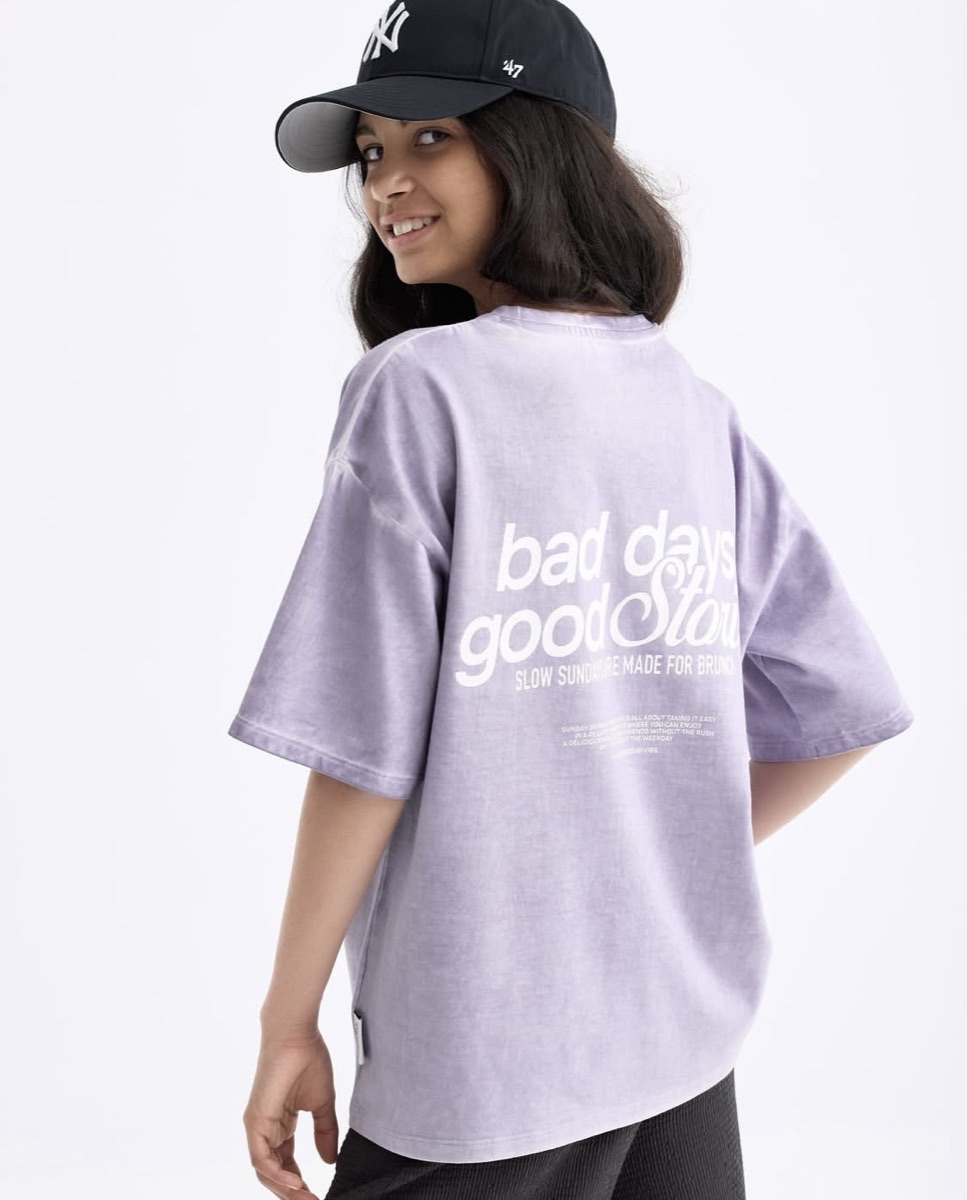
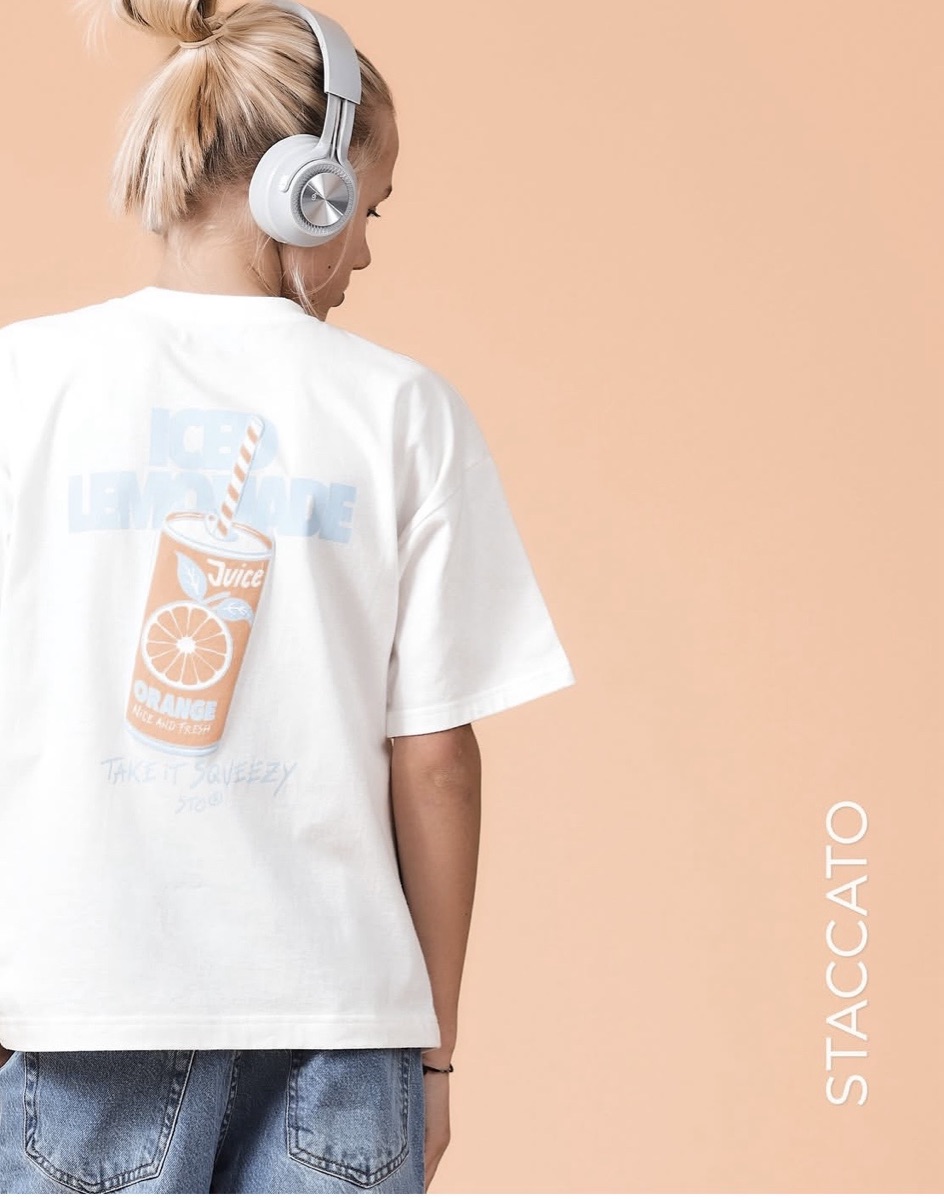
Large back placements, chest motifs, chenille and sequin work are developed against the buyer’s artwork, so register and placement are settled at sampling rather than on the line.
{{ countLabel }}
Full specification — fabric quality, GSM, colour options, size range and packing — is issued against a specific enquiry once the requirement is reviewed. Fabric and construction options follow our own knitting range: jersey, rib, interlock, pique, feeder and auto stripes, jacquards with Lycra, flat-knit collars, waffle and fleece.
No published photography yet
Fabro manufactures {{ rangeLabel }} to buyer specification. Nothing appears here until the buyer concerned has released the photography, and we would rather show you nothing than show you someone else’s garments. Tell us what you are looking for and we will send what we can share, or a physical sample.
Email us about {{ rangeLabel }}Menswear & womenswear
Roughly 40% of the portfolio is menswear and womenswear combined. The same knitting, dyeing, printing and embroidery capability applies — the constructions below are what we knit for adult programmes.
Menswear
Constructions suited to tees, polos, sweatshirts and layering pieces, with flat-knit collars and applied print or embroidery.
Womenswear
Single jersey and lightweight qualities in cotton, viscose and modal blends, with feeder and auto stripes for seasonal colour stories.
Both
Heavier autumn and winter constructions, including jacquards with Lycra, knitted across gauges and feeders on our own circular and flat machines.
Materials & construction
Fibres and constructions from the Fabro knitting and dyeing range. Final availability for a given programme depends on your requirement and a production review.
Send the artwork, tech pack and quantity and we will tell you what is feasible, what needs adjusting, and what it will take to sample.
Email your requirement{{ product.genderLabel }} | {{ product.code }}
Shown as a capability reference from past production, not a stock line. Every programme is developed against the buyer’s own designs, artwork, tech pack and measurement sheet. Full specification — colour options, size range and packing — is issued against a specific enquiry.
{{ proc.body }}
Knitting, dyeing, printing and embroidery are all part of what we do, from yarn through to the packed carton. Certification scope is listed separately on the certifications page.
Certifications & responsible production
A certificate applies to one named facility and a defined list of processes — not to a company as a whole. We publish the certificate numbers, the issuing bodies and the exact scope as it appears on each document, including what it excludes. The sourcing FAQ answers what that means for an order in plainer terms.
Capability versus scope
These are two different lists. Fabro performs knitting, dyeing, printing and embroidery — and the supplied SA 8000 certificate expressly excludes those four processes from its scope. Both facts are true at once, and buyers should have them side by side.
Group A
Group B
Excluded from this certificate
Responsible processing
Tiruppur's dyeing and processing ecosystem is recognised internationally for the widespread adoption of Zero Liquid Discharge systems. That is a characteristic of the region's processing infrastructure, and it is the environment Fabro's dyeing operates in.
It is not a Fabro-specific certification, and we do not present it as one. On dyestuffs, the company profile records that only AZO-free dyes are used, in line with export trading norms.
Not currently held
Fabro does not currently publish GOTS, OEKO-TEX, ISO, SEDEX or BSCI certification, and makes no organic-content, recycled-content, renewable-energy or carbon claims. If your programme requires one of these, tell us in your enquiry and we will confirm what can be arranged rather than imply we already hold it.
Sourcing questions
Minimum quantities, lead times, the processes we run and what our certificates actually cover — answered plainly, so you can judge fit before writing to us.
{{ item.a }}
Send the requirement and we will answer against your actual programme rather than in general terms.
Contact
Write to us with your requirement and we will answer it directly. Email reaches the people who plan production, so the reply comes from someone who can actually commit to it.
Sourcing enquiries
Tell us the category, the garment types, roughly how many pieces per style and when you need delivery. Attach a tech pack, measurement sheet or reference images if you have them — the more precise the brief, the straighter the answer.
Please write to both addresses so your enquiry reaches us whoever is travelling.
Telephone
+91 98430 97927Certified facility
Door No. / Plot No. 1, Balaji Nagar,404
The address may have changed, or a style may have been renamed. The styles and the certification records are both a click away.